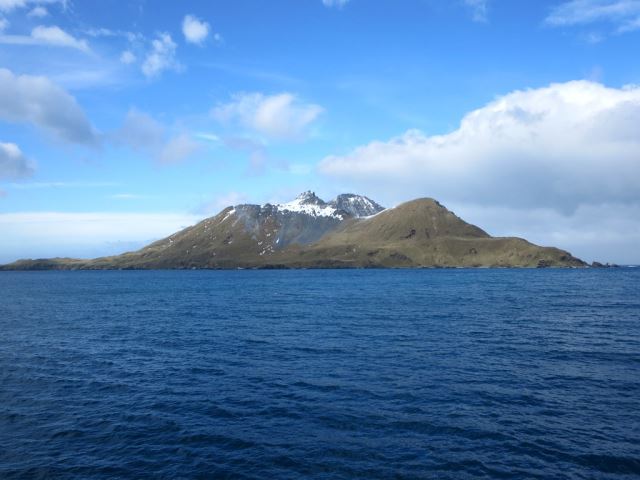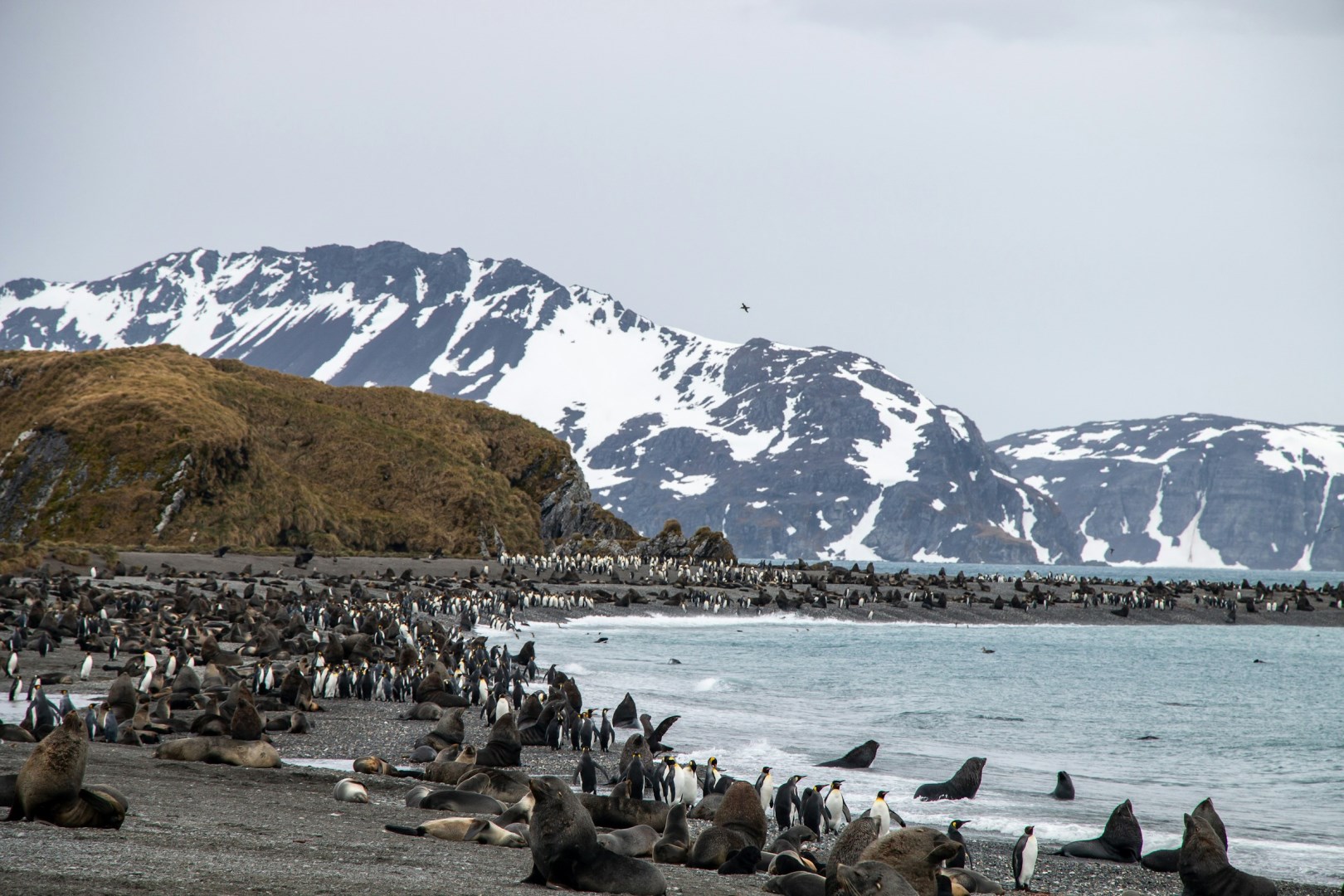
Salisbury Plain is a broad coastal area on the northwest side of South Georgia, backed by steep mountains and glaciers. Its open shoreline is particularly notable for the large Antarctic fur seal population that gathers here, making it one of the island’s important wildlife viewing sites. The plain lies along the Bay of Isles, where beaches, tussock-covered slopes, snowfields, and rugged peaks create a varied landscape. Access is generally by expedition vessel, with shore visits carefully planned around wildlife concentrations and local conditions.
South Georgia’s identity is closely linked to exploration, sealing, whaling, and scientific research, and Salisbury Plain forms part of that wider cultural landscape. The island contains numerous historic sites associated with the former whaling industry, although Salisbury Plain itself is primarily valued for its wildlife rather than surviving industrial structures. Today, South Georgia is managed with a strong emphasis on conservation, and visitors are required to follow strict biosecurity and wildlife-protection procedures designed to prevent the introduction of non-native species and reduce disturbance to animals.
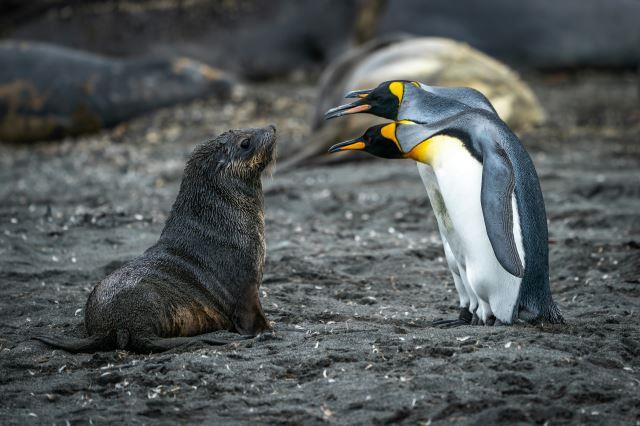
The main attraction at Salisbury Plain is its extraordinary concentration of Antarctic fur seals and king penguins. During the breeding season, the beach and surrounding areas can be occupied by large numbers of both species, with adults moving between the sea and their breeding grounds. King penguins gather in dense colonies, while fur seals can be found resting, feeding, and defending territories along the shoreline. The backdrop of glaciers and mountains adds to the setting, while the Bay of Isles provides opportunities for observing seabirds and marine wildlife from the water.
Salisbury Plain is also an important place for understanding South Georgia’s recovering ecosystems. Antarctic fur seals, once severely reduced by commercial sealing, have returned in large numbers across the island, while king penguins remain one of its most recognizable species. Visitors must maintain prescribed distances from wildlife and avoid blocking animals as they move between the colony and the ocean. The plain has no permanent human settlement or visitor infrastructure, allowing the wildlife colony and surrounding landscape to remain the central focus of a visit.