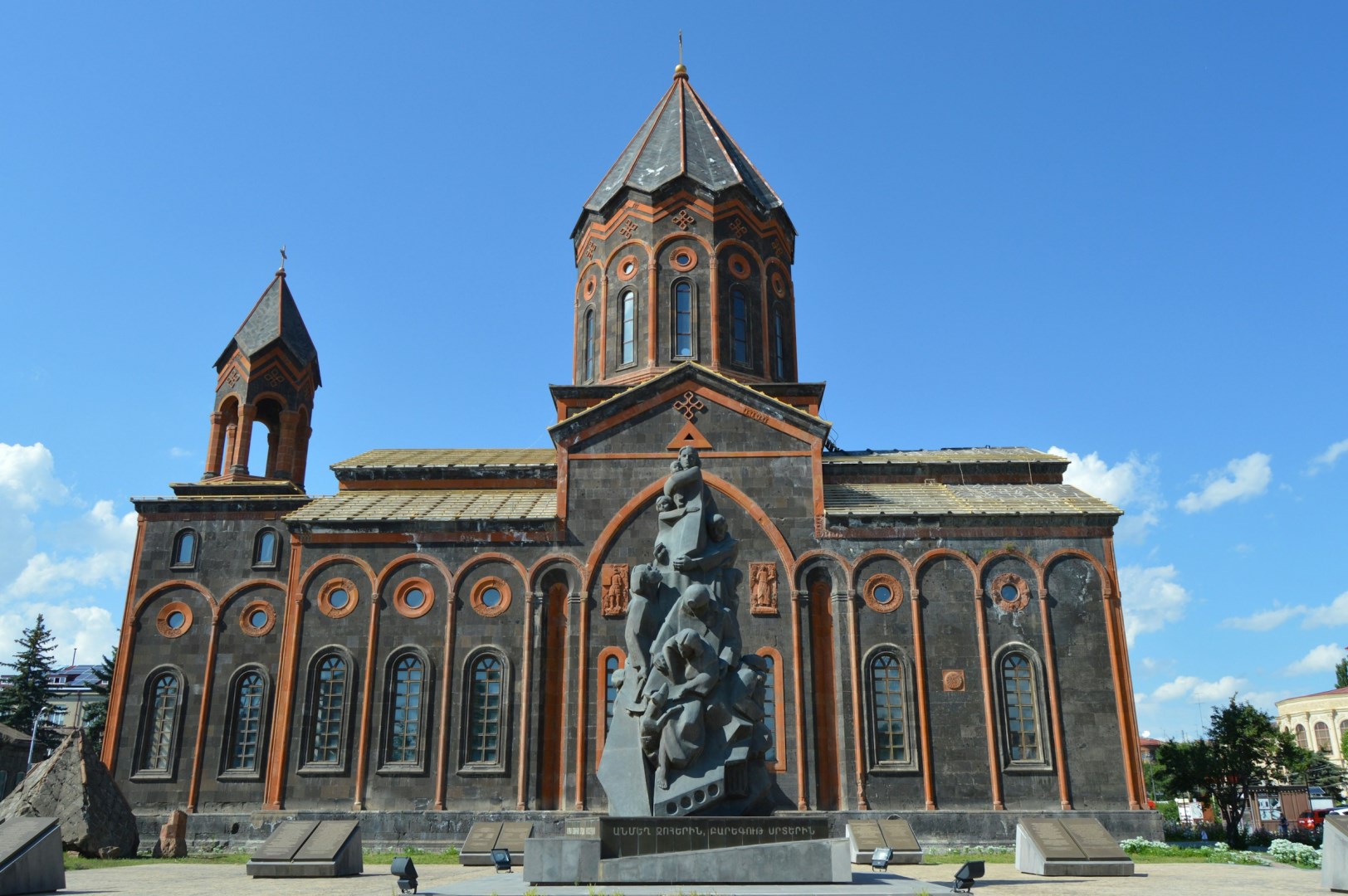
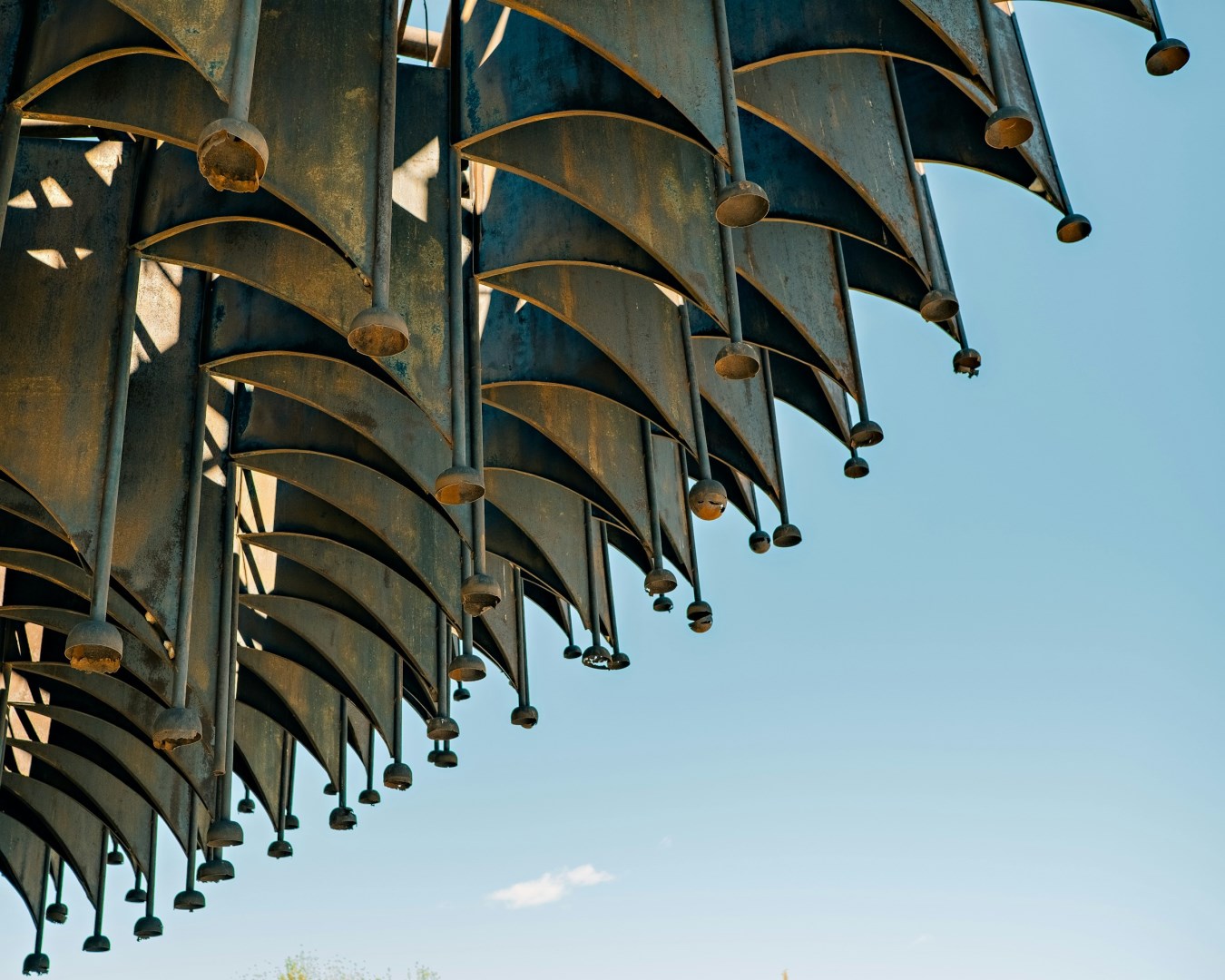

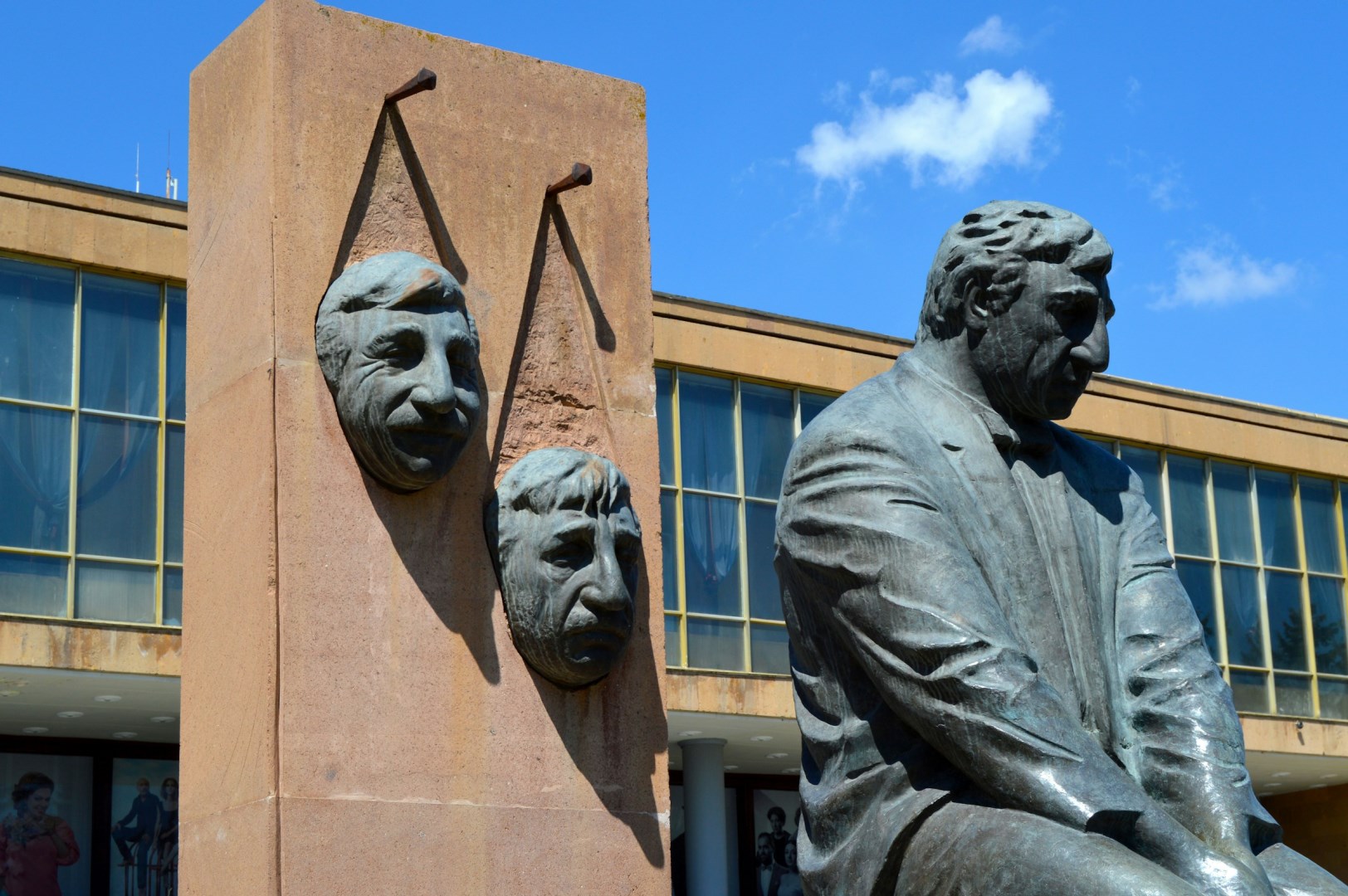

Gyumri is Armenia's second-largest city and the capital of Shirak Province, located on a high plateau in the country's northwestern region. The city is known for its distinctive black and red volcanic-stone architecture, broad streets, historic districts, and strong artistic traditions. Its setting near the Turkish border places it among open plains and volcanic landscapes, with Mount Aragats visible from parts of the surrounding region. Gyumri has a character that differs from Yerevan, with many older stone buildings, courtyards, workshops, and cultural institutions concentrated around the historic center. The city remains an important center for arts, crafts, education, and regional commerce.
Gyumri has a strong cultural identity shaped by local craftsmanship, theater, music, literature, and traditional urban life. Kumayri Historic District contains streets lined with preserved nineteenth-century buildings constructed from locally quarried stone, while the Dzitoghtsyan Museum of National Architecture and Urban Life presents household objects, clothing, crafts, and other aspects of Shirak culture. The city is also associated with humor and storytelling, which are reflected in local theater and artistic traditions. Religious heritage is represented by the Cathedral of the Holy Martyrs and the Church of the Holy Saviour, while artisan workshops continue traditions in ceramics, metalwork, wood, and textiles.
The historic Kumayri district is one of Gyumri's principal attractions, with ornate stone facades, balconies, courtyards, and narrow streets providing examples of regional architecture. The Mother Armenia monument stands on a hill overlooking the city and surrounding Shirak plain. The Black Fortress, a circular stone military structure, is another recognizable landmark and is now used for cultural events. Nearby Marmashen Monastery sits beside the Akhuryan River in a rural setting and contains medieval Armenian churches surrounded by open countryside. The city also has several galleries, museums, and cultural centers that document its architectural and artistic heritage.
Gyumri's cuisine reflects the food traditions of Shirak, where wheat, dairy products, meat, herbs, and locally grown produce form important ingredients. Harissa, a slow-cooked dish made from wheat and meat, is strongly associated with Armenian culinary traditions and is especially linked with the Shirak region. Panrkhash, a simple dish made with bread, cheese, and butter, is another food associated with local cooking. The city is also known for its black-stone architecture and artisan culture, while the surrounding high plateau supports agriculture and livestock farming. These traditions give Gyumri a clear connection to the wider cultural landscape of northern Armenia.